
Drone
Handling
Solutions
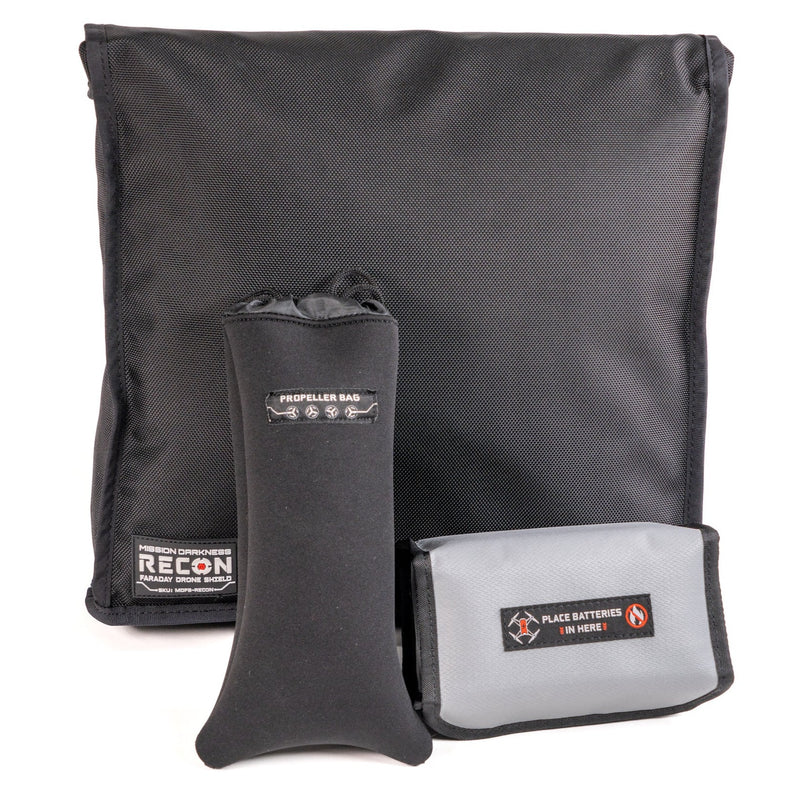
Advanced RF shielding for drone capture, transport, and evidence protection. Block all wireless signals to secure seized drones from remote access, data wipes, and tracking.
LON 119.6982° W
ALT 15m AGL
STATUS: ACTIVE


Built for Teams Who Handle Threats
Counter-UAS Operations
Forward-deployed units seizing hostile drones in theater. Immediate signal kill prevents remote detonation, operator evasion, and intelligence loss during tactical recovery.
Crime Scene Evidence
Police and federal investigators securing drones used in smuggling, surveillance, or illegal activity. Preserve digital evidence chain of custody from field seizure to forensic lab.
Explosive Ordnance Disposal
Bomb squads and EOD teams neutralizing drone-borne threats. RF isolation prevents remote triggering of payloads during render-safe procedures and controlled transport.
SIGINT & Forensic Analysis
Intelligence analysts and digital forensic examiners extracting flight data, telemetry, operator identifiers, and payload information from captured UAS platforms.
End-to-End Drone
Handling Workflow
When a drone is recovered in the field, whether hostile, abandoned, or part of an investigation, it becomes both a physical object and a digital evidence source. Mission Darkness secures that asset through every stage of the chain of custody.
Capture
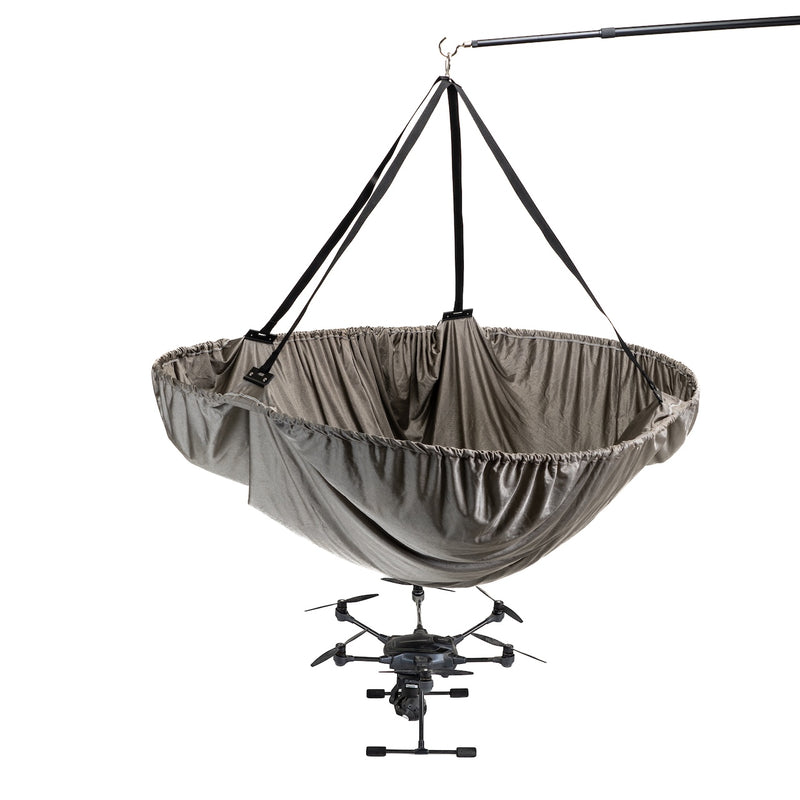
Immediate signal isolation. Stop remote detonation, piloting, data exfiltration, and evidence destruction the moment a drone is seized.
Transport
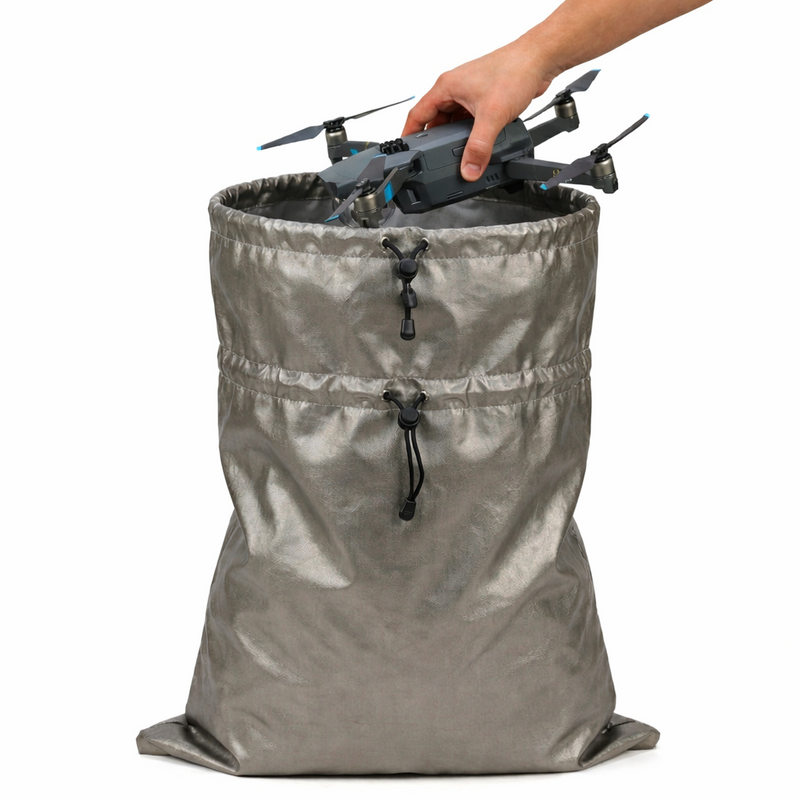
Maintain continuous RF shielding during movement through urban areas, contested environments, or long-distance transport routes.
Analyze
Controlled, forensic-ready access. Extract flight logs, telemetry, video data, and operator information in a shielded environment.

TitanRF Faraday
Crate Cover
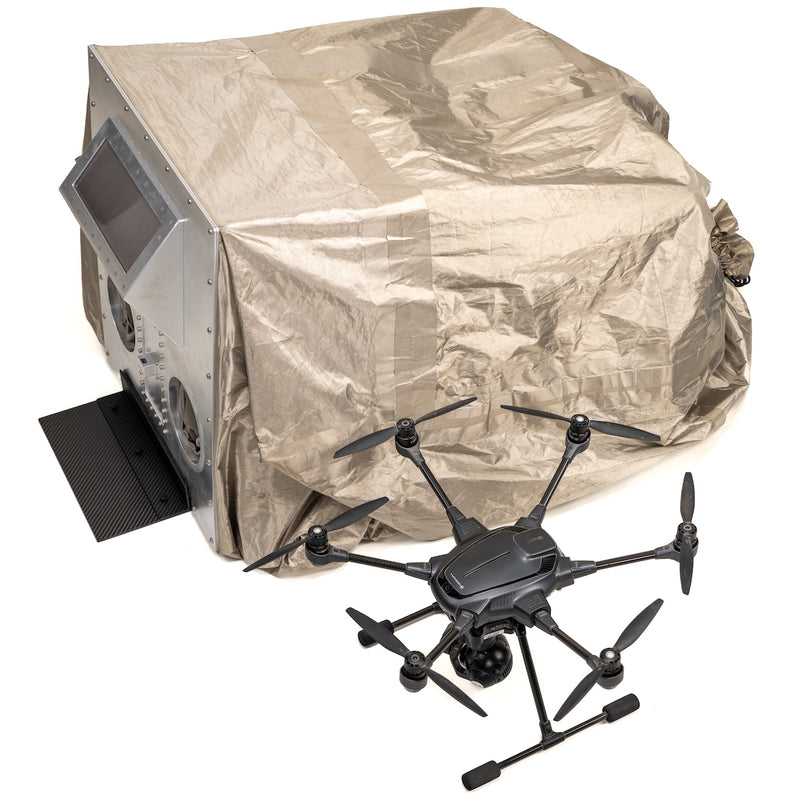
The ultimate field-to-lab transport solution. Drop your Pelican case or shipping crate inside, seal it, and every RF signal is dead. Purpose-built for EOD teams, forensic labs, and military counter-UAS units moving high-value drone evidence across contested environments.
Captured Drones Are
Digital Threats
Without RF shielding, evidence can be erased remotely, payloads can be triggered, operators can evade identification, investigations can be compromised, and flight paths, logs, and intel can be lost permanently.
RF isolation ensures the drone remains silent, safe, and intact from the moment it is captured until the last byte of data is retrieved.
Evidence Erasure
Remote commands can trigger data wipes, destroying flight logs and forensic data before analysts gain access.
Payload Activation
Hostile drones may carry payloads that can be triggered remotely if the drone maintains any wireless link.
Operator Evasion
Without isolation, operators can sever their digital connection to the drone, making identification impossible.
Intel Loss
Flight paths, communication logs, sensor data, and mission parameters can be permanently lost without shielding.
Ready to Secure Your Operations?
Contact our team for custom solutions, volume pricing, and government procurement support.