Faraday Bags:
The Good, the Bad,
& the Misused.
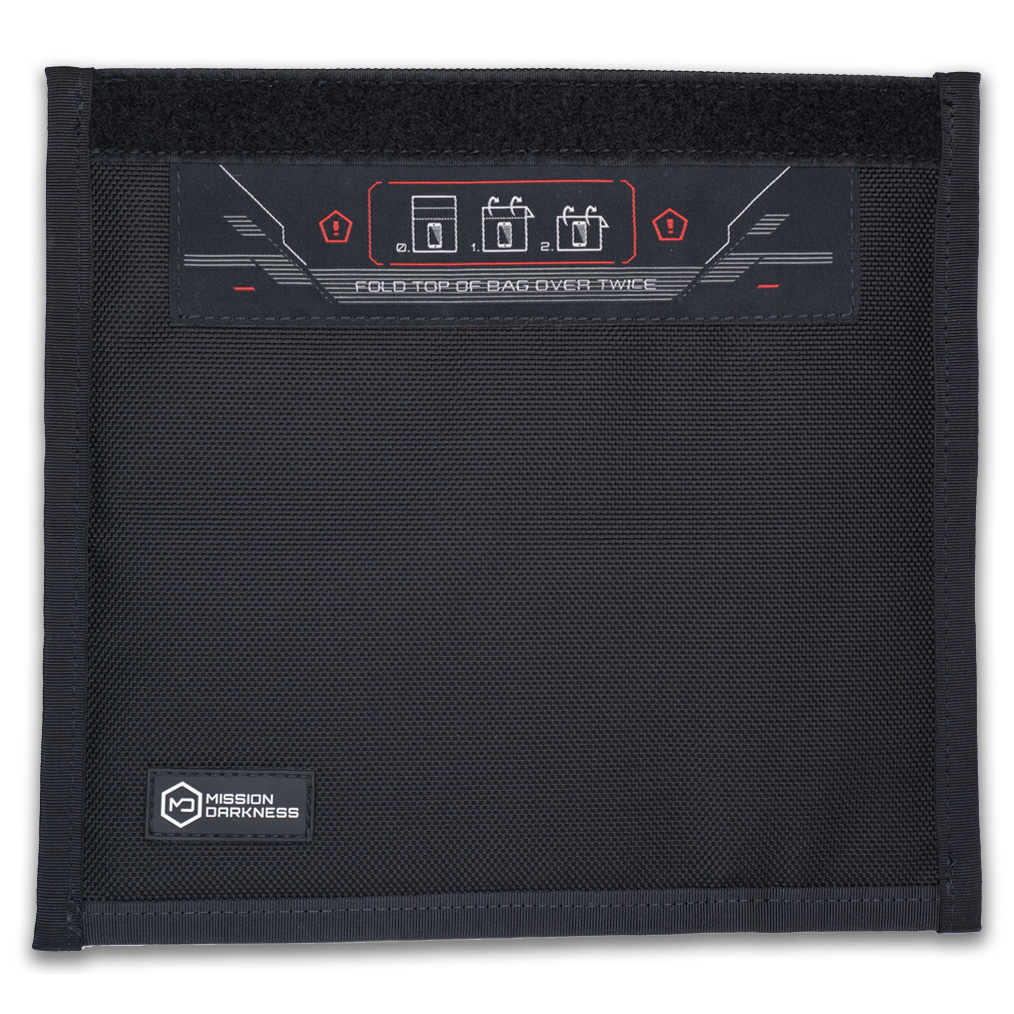
Faraday bags are specialized pouches lined with conductive materials designed to block wireless signals such as GPS, Wi-Fi, Bluetooth, RFID, and cellular connections. When a device is sealed inside, it becomes electronically invisible to outside tracking or communication attempts.
These bags have important and legitimate uses — but like many technologies, they can also be misused in troubling ways. Understanding both sides is the first step to staying protected.
Positive Uses of
Faraday Bags
From law enforcement to everyday privacy, Faraday bags serve a wide range of legitimate, mission-critical purposes.
Journalists, activists, protestors, and business travelers carry them to prevent hackers, stalkers, or hostile governments from tracking their movements or intercepting wireless data. In a world where nearly every device broadcasts some kind of signal, having the option to disconnect completely provides peace of mind.
RFID-based theft is more common than many realize — criminals can skim credit cards, passports, or wireless car keys by simply being nearby with a scanner. Faraday wallets and pouches shield sensitive items so that "contactless pickpocketing" is rendered completely useless.
Digital forensics teams depend on Faraday bags to preserve the integrity of electronic evidence. When police seize a phone or laptop, placing it in a Faraday bag ensures no remote wipe command can destroy incriminating data. This simple action has become a crucial step in modern investigations.
Military units and government agencies use Faraday technology not just in small bags, but in entire rooms and containers — protecting critical systems from signal interference, EMP destruction, espionage, and electronic warfare at the highest operational levels.
Parents may put devices inside during family dinners to eliminate distraction, while others use them to reduce EMF exposure, or simply take a break from constant connectivity. A Faraday bag can support healthy boundaries with technology in daily life.
Law enforcement uses Faraday bags to protect physical evidence from being located or recovered by criminals. Stolen goods may contain hidden trackers placed by criminal networks — sealing them in a Faraday bag blocks outgoing signals, ensuring evidence can't be traced or retrieved by those who planted it.
The Negative Side of
Faraday Bags
The same technology that protects can be exploited. Understanding misuse is critical for law enforcement, retailers, and parents alike.
Some individuals hide their location from a spouse by placing their phone inside, fueling secrecy and mistrust. Teens may use them to block parental tracking apps or family GPS systems, creating serious safety risks when parents believe their children are somewhere they're not.
When electronics are stolen, owners try to recover them using built-in tracking services. Thieves counter this by immediately slipping the device into a Faraday bag, cutting off signals that would allow remote locking, tracking, or wiping — prolonging theft and frustrating recovery efforts.
Criminals may use Faraday bags to hide communications or vehicles from lawful tracking. By blocking GPS and cellular signals, suspects can temporarily vanish off the grid. Some even use large Faraday tents to shield cars fitted with police trackers, disrupting smuggling investigations.
A common criminal tactic involves lining a shopping bag with Faraday material so security tags on clothing or electronics cannot trigger store alarms. This allows shoplifters to bypass detection systems entirely, costing retailers millions annually in organized retail crime losses.
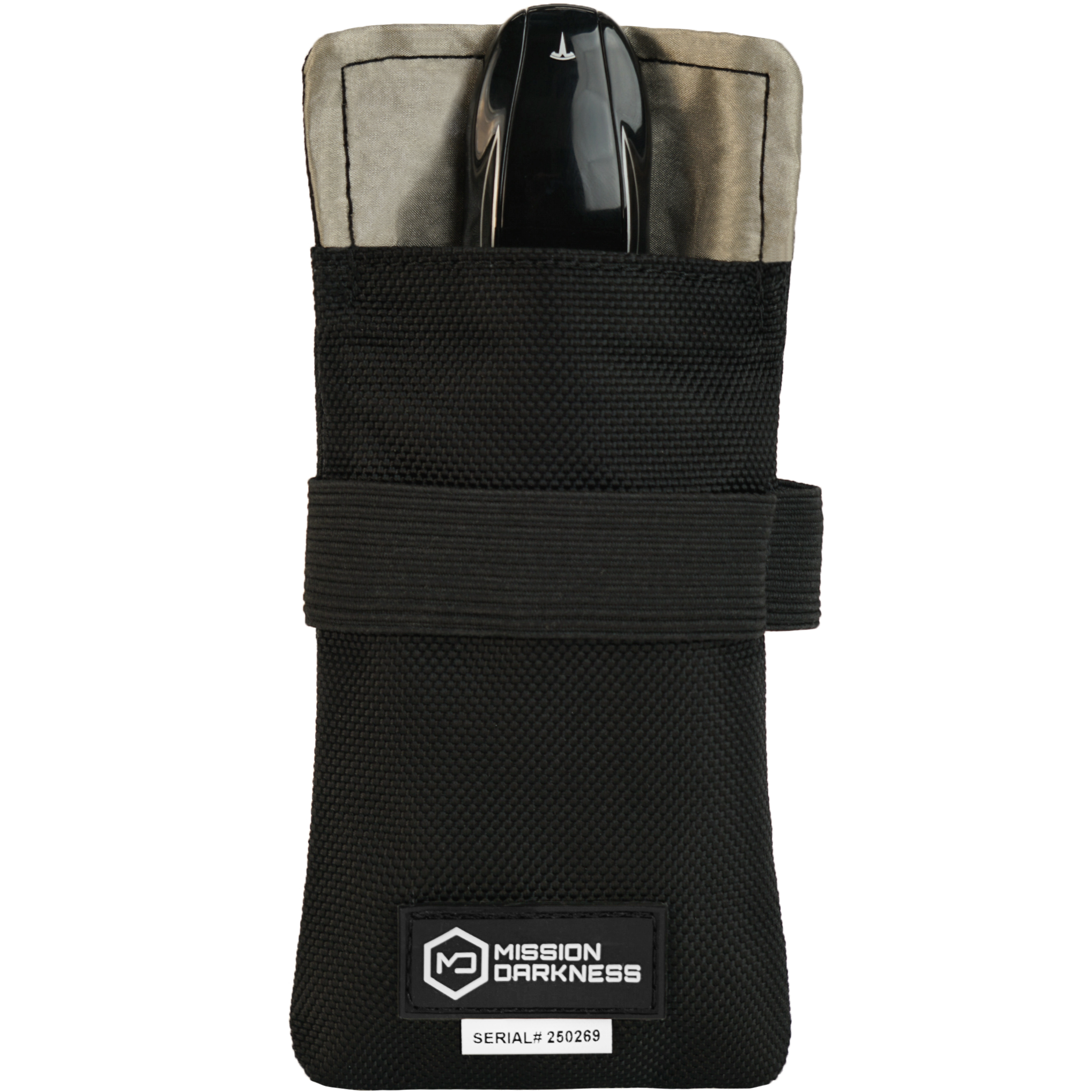
Modern vehicles rely on wireless key fobs that constantly broadcast a signal. Thieves use Faraday pouches to block or intercept these signals, making it easier to break into cars or drive them away without triggering alarms — turning a convenience feature into a vulnerability.
Criminals conceal burner phones, two-way radios, or drones inside Faraday bags to keep tools hidden from surveillance until ready to use. In organized crime operations, phones are shielded to prevent tracking or tapping, while drones may be concealed to avoid detection in restricted areas.
Staying Secure in a Connected World
Faraday bags are a double-edged sword. On one side, they protect privacy, secure data, and support law enforcement in keeping evidence safe. On the other, they can be twisted into tools for theft, deception, and organized crime.
Use Faraday bags responsibly. If you're worried about wireless skimming, relay car theft, or constant location tracking, keeping your key fob, phone, or passport in a Faraday pouch is a smart, low-cost defense. If you work with sensitive information or travel often, they're a practical way to safeguard your digital life.
Ultimately, the lesson is this: technology itself is neutral. It's how we choose to use it that defines whether it protects or endangers us. By staying informed, you can make Faraday bags part of your personal security toolkit without falling into the traps that criminals exploit.
Protect What
You Carry
Mission Darkness™ Faraday bags block all wireless signals — preventing relay attacks, unauthorized tracking, and remote access to your devices.