
Frequently asked questions
Everything you need to plan and build your own radio frequency (RF) shielding project, from TitanRF™ Faraday Fabric and Tape to the full range of supplies and materials for any RF shielding enclosure. If your question is not covered here, our team is glad to help.
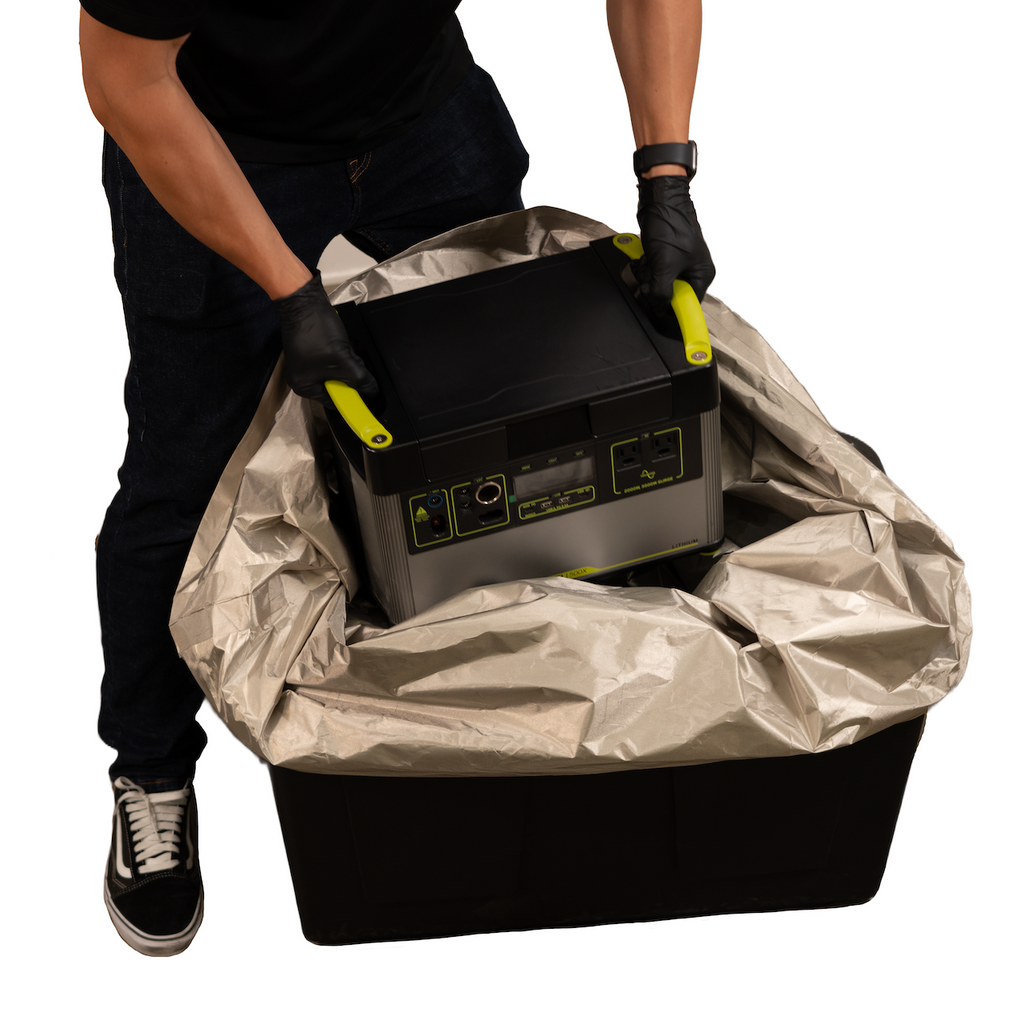
Every build starts with fabric and tape. From there, our full range of shielding supplies and accessories finishes any enclosure, from patches and gaskets to filters, vents, windows, and structural framing.
Three steps to a sealed enclosure
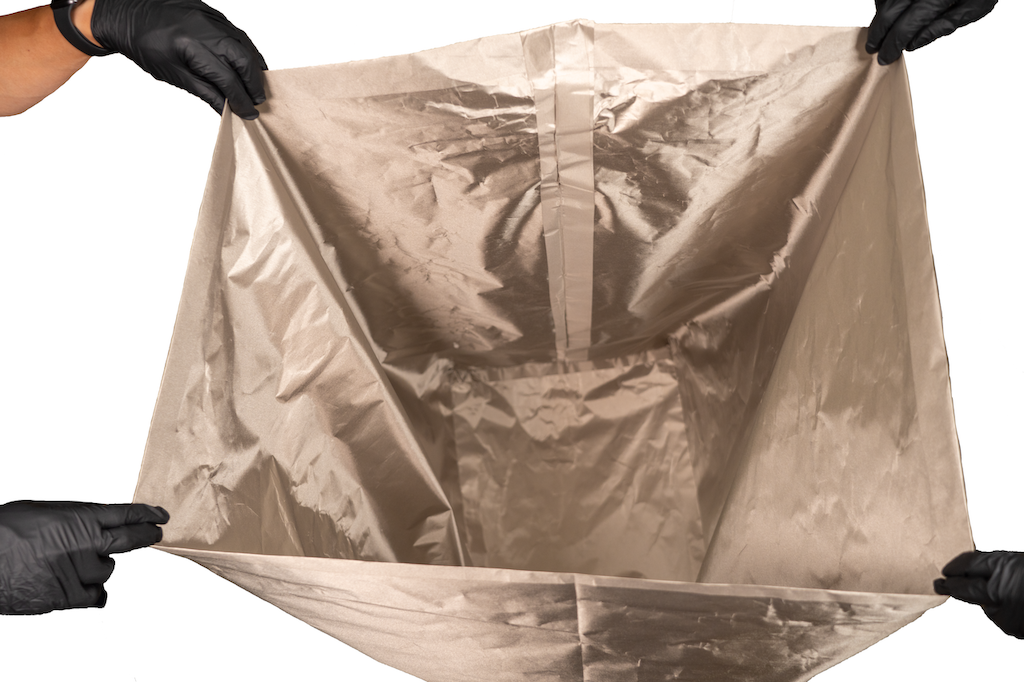
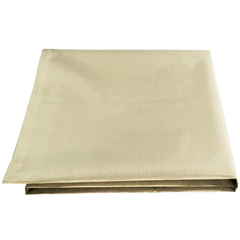
Shape the enclosure
Cut and form the fabric around whatever you are protecting.
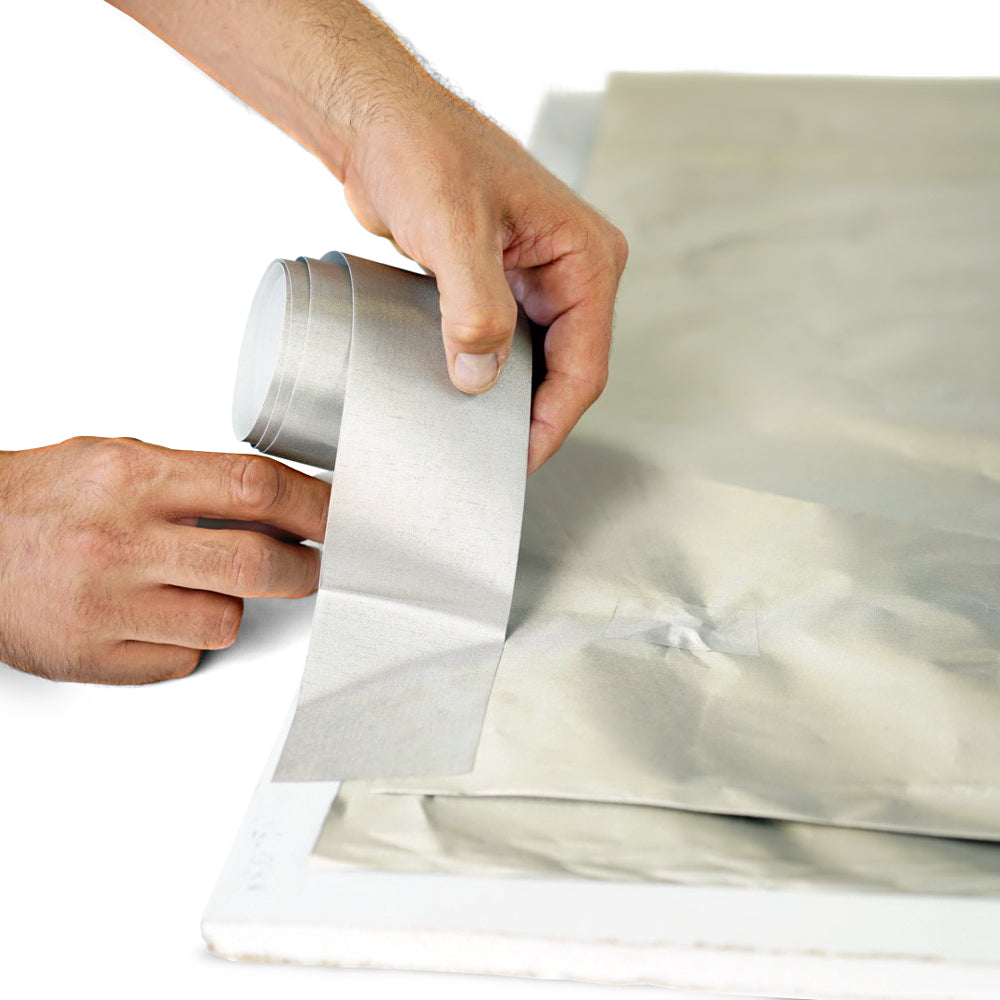
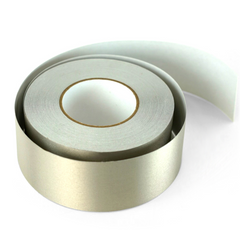
Seal the seams
Join sheets and close seams with TitanRF Faraday Tape.
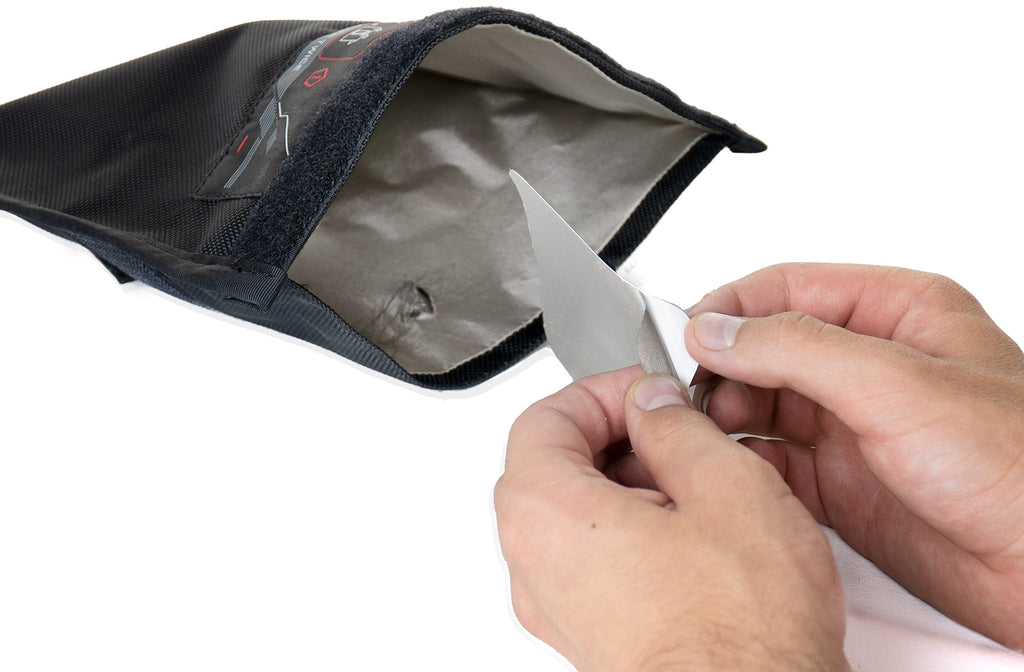
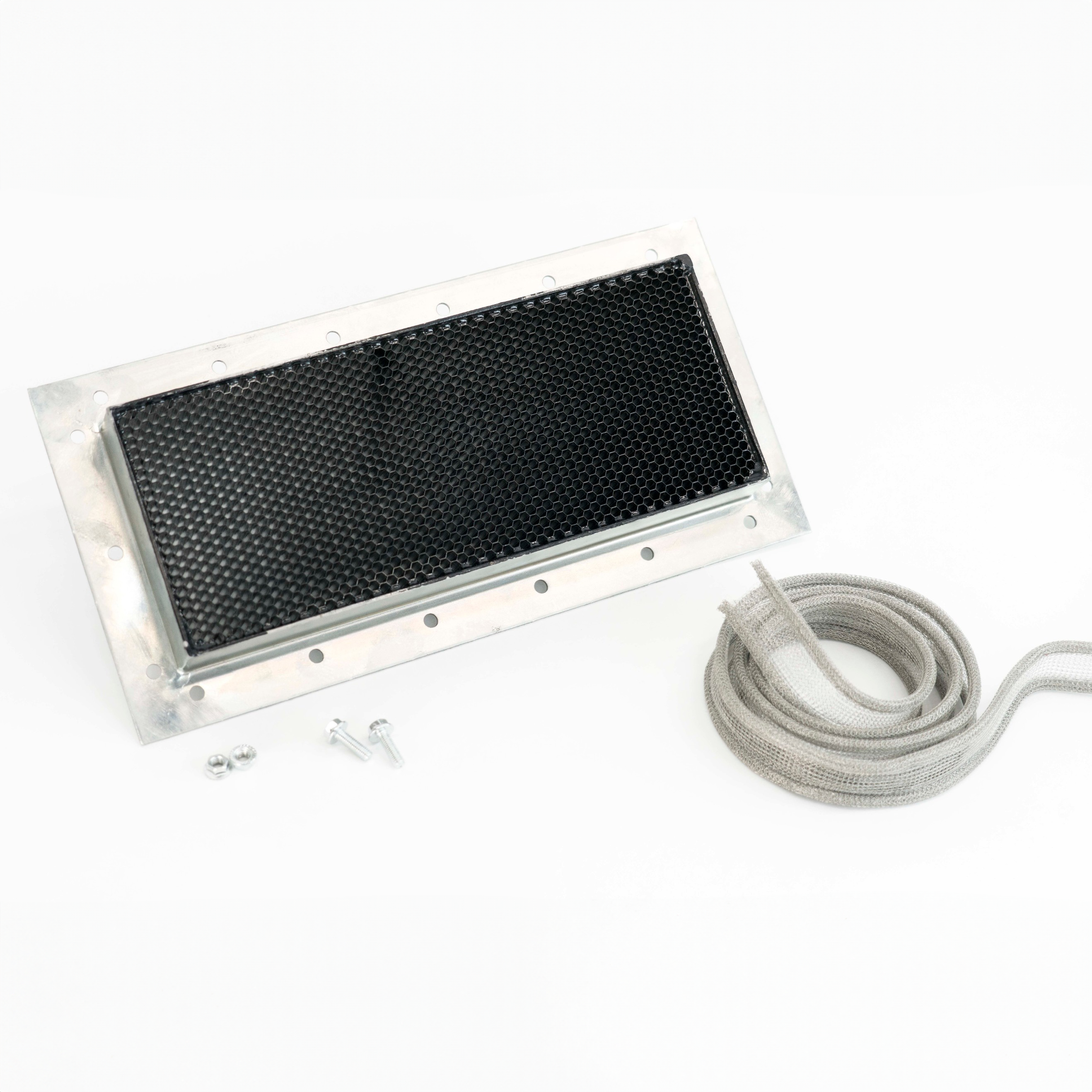
Patch any openings
Cover holes and penetrations with Faraday Patches, then test.
What it blocks, across the spectrum
A fully sealed enclosure stops wireless signals from low-frequency RFID all the way up to 40 GHz millimeter wave. Tap a band to see what it covers.
See what doubling up does
Attenuation climbs sharply from one layer to two. A third layer adds little shielding, but makes the enclosure far more durable. Pick a material to compare.
Figures are for comparison. Real-world results depend on full coverage and sealed seams.
What is TitanRF Faraday Fabric, and what can I build with it?
It is a flexible copper and nickel conductive fabric from Mission Darkness™ that blocks wireless signals. It is lab certified to military standards MIL-STD-188-125 and IEEE 299-2006, and it cuts, sews, and tapes like ordinary fabric.
People use it to build DIY Faraday cages and bags, line shielded rooms and closets, cover tent frames, shield large or oddly shaped electronics, and reduce EMF exposure at home. For most projects you will combine it with TitanRF Faraday Tape to join sheets and seal seams, and TitanRF Faraday Patches to close small openings.
How do I build my own RF shielding enclosure?
Cut the fabric to fit, then fully enclose the device so there are no gaps. Connect separate sheets with Faraday Tape, overlapping the edges, and seal any holes or penetrations with Faraday Patches. Two or more layers are recommended for full shielding.
The key principle is total coverage: any unsealed seam, gap, or protruding cable will let signal in or out. Watch the DIY video series on the Faraday Supplies page for step-by-step builds, and always test your finished enclosure before relying on it.
Which materials and supplies do I need?
Most builds start with three core materials, then add supplies as the project needs:
- Fabric is the shielding surface that surrounds the device or wall.
- Tape joins multiple fabric sheets and seals seams so they stay conductive across the join.
- Patches close small holes, penetrations, and high-wear spots.
A shielded join is only as good as its seal, so do not skip the tape and patches on a build that needs full attenuation. Depending on the project, you may also add shielded vents, windows, filters, foam gaskets, gloves, or TactiFrame™ structure poles for room-scale builds.
What signals does it block?
WiFi (2.4 and 5GHz), Bluetooth, cell signals including 5G, GPS, RFID, NFC, and radio, across a wide range from low MHz up to 40GHz. Effective shielding depends on the device being fully and continuously enclosed.
How much attenuation does it provide? Does a single layer or double layer matter?
Yes, layering matters. A single layer of TitanRF Faraday Fabric provides roughly 65 dB of attenuation. Two layers can reach roughly 80 to 100 dB.
For full RF shielding we recommend two or more layers, with the fabric touching at all seams. More layers and well-sealed joins give you more margin against leakage.
What is it made of, and is it certified?
It is a copper and nickel conductive fabric. It is certified to MIL-STD-188-125 and IEEE 299-2006, with shielding effectiveness testing completed by Keystone Compliance, an accredited regulatory compliance laboratory. These certifications confirm the material shields against high-altitude electromagnetic pulses (HEMPs) and related events.
Does it block EMP?
The fabric is certified to MIL-STD-188-125, the standard used to evaluate protection against high-altitude electromagnetic pulses, so the material itself is rated for HEMP shielding. As with any signal, EMP protection depends on a complete, sealed enclosure around whatever you are protecting. A gap or unsealed seam reduces effectiveness.
Would mylar work just as well?
No. Mylar typically tops out around 20 dB of attenuation. TitanRF Faraday Fabric provides roughly 65 dB at a single layer and roughly 80 to 100 dB when doubled, which is a large difference in real shielding performance.
How does it compare to the other TitanRF fabrics?
All TitanRF fabrics share the same goal of high RF attenuation, but each is tuned for a different need:
- Flex is more pliable for tight or contoured shapes.
- Flame Retardant adds PyroBlock technology for high-risk fire environments.
- TerraDefend is a copper-colored fabric that also serves as a root barrier.
- Shadow has a black coating on one side for discreet, low-reflection use.
- Translucent lets you see through it, ideal for enclosure windows.
- TechWeave and TechFusion blend polyester with copper and nickel for woven and non-woven options.

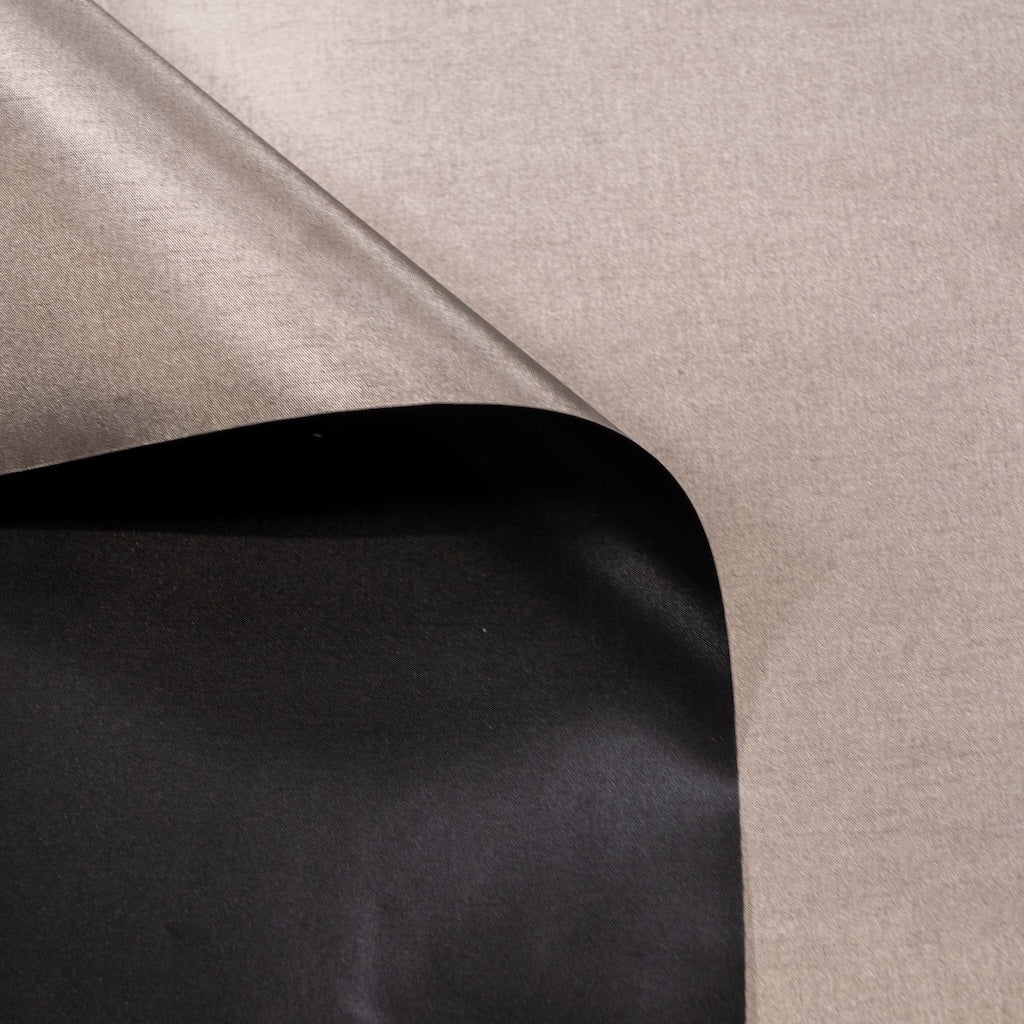
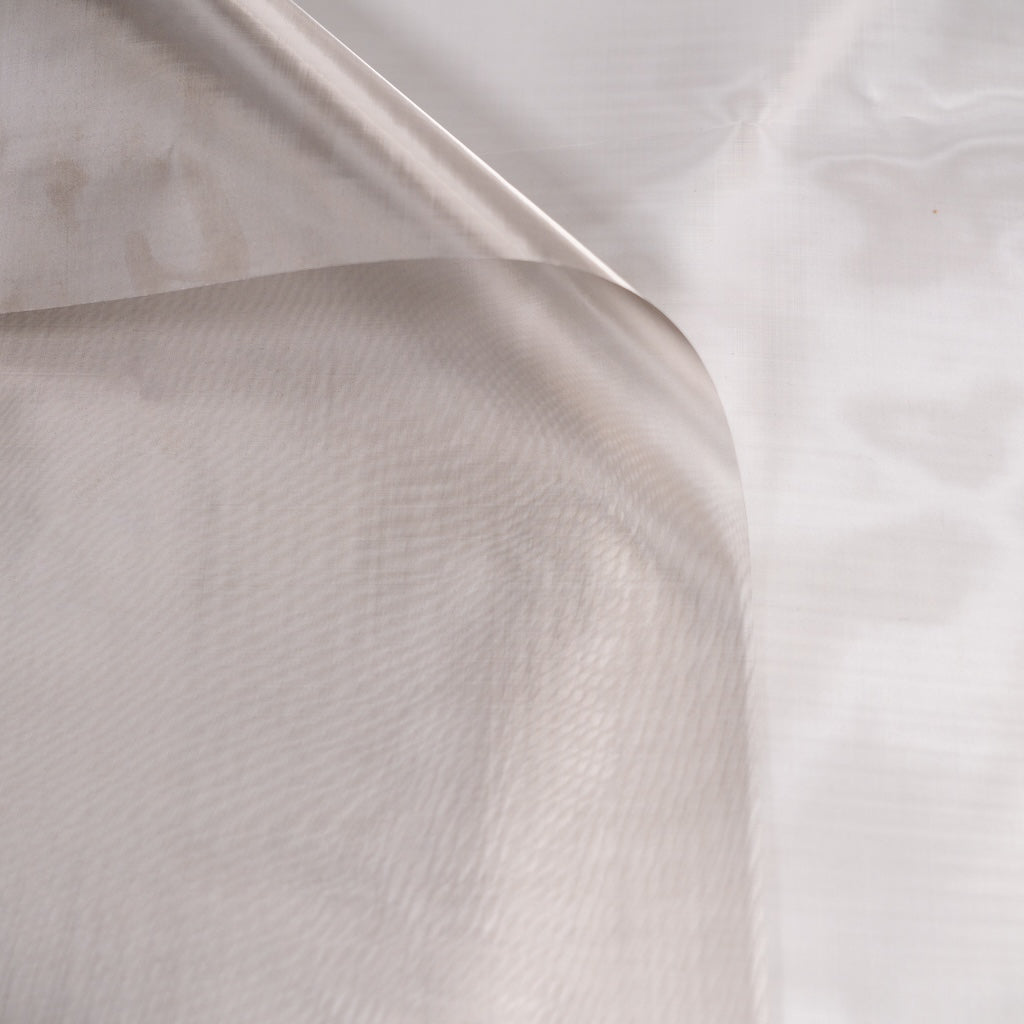
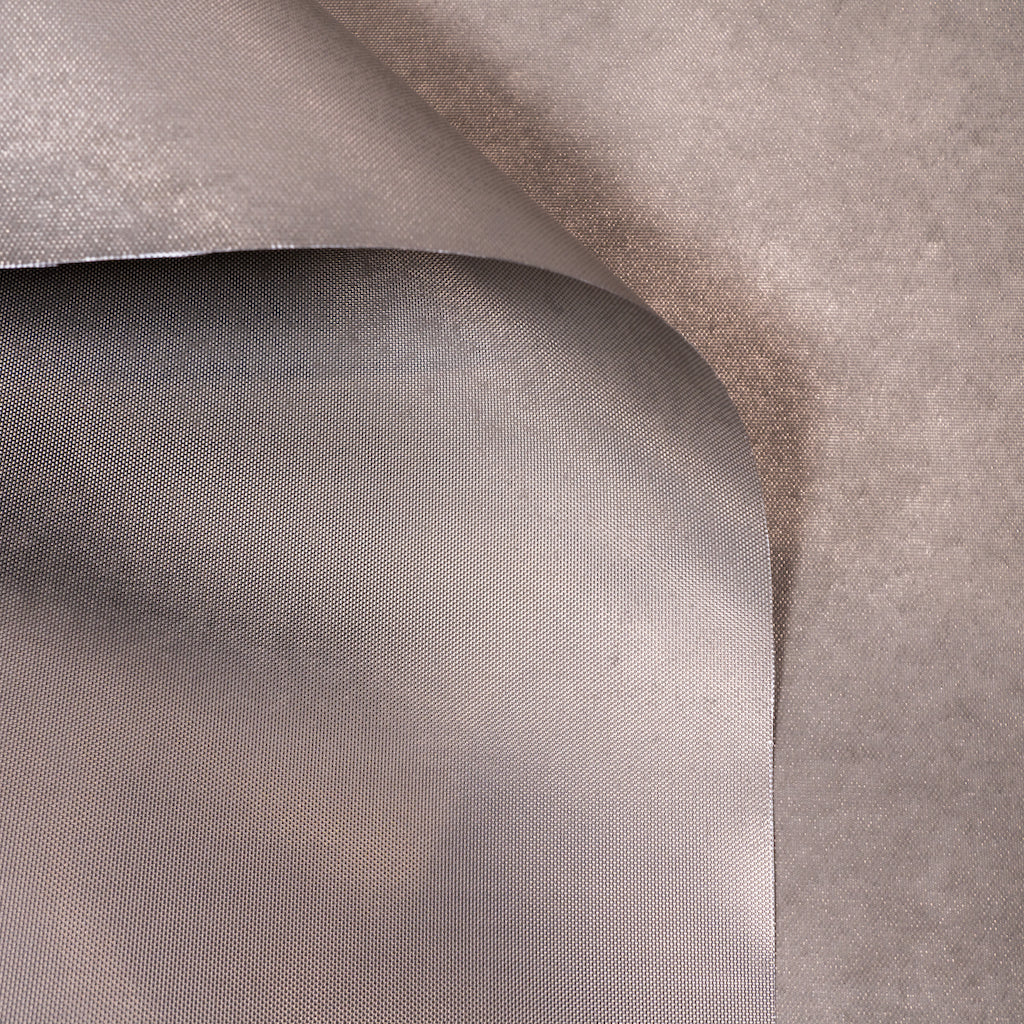
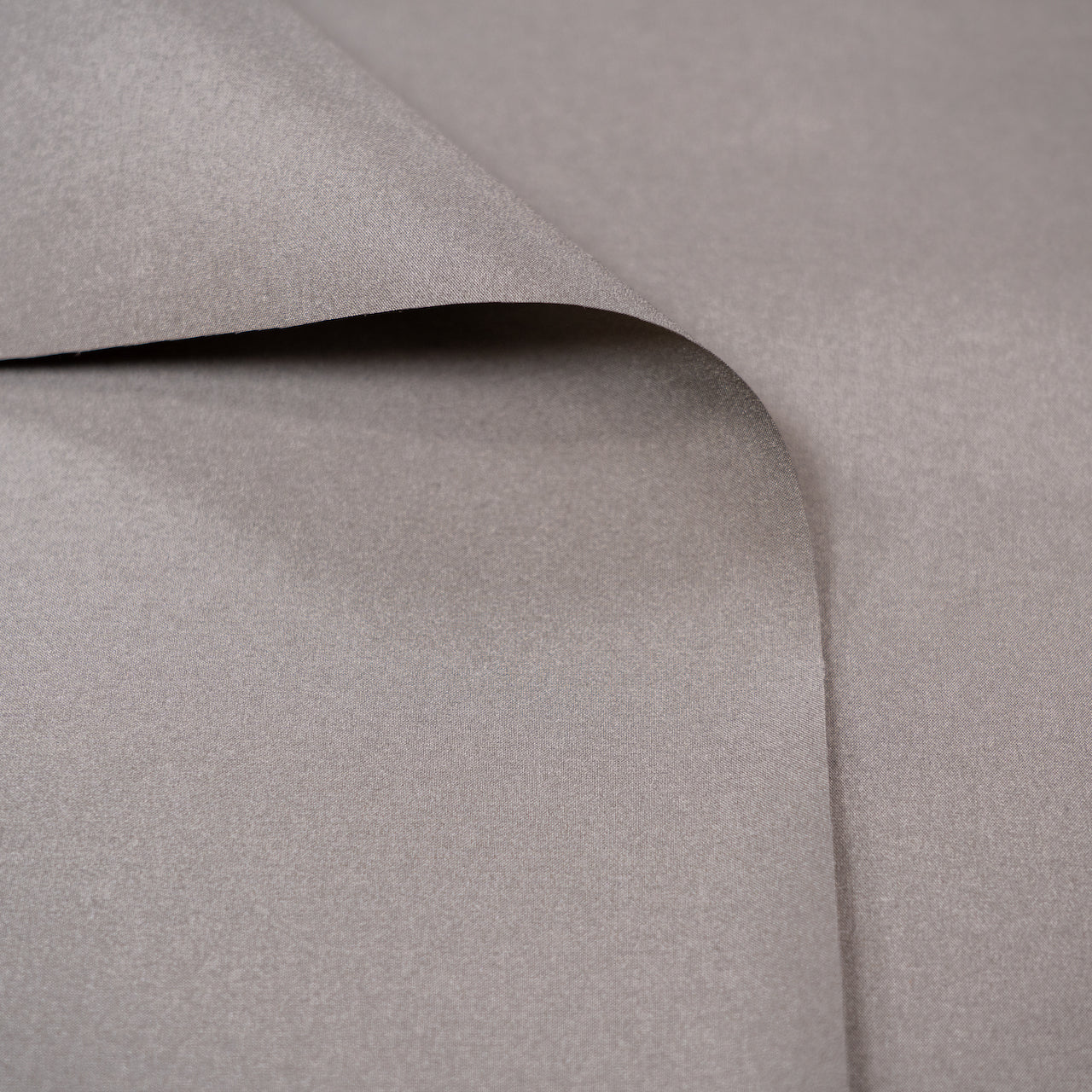
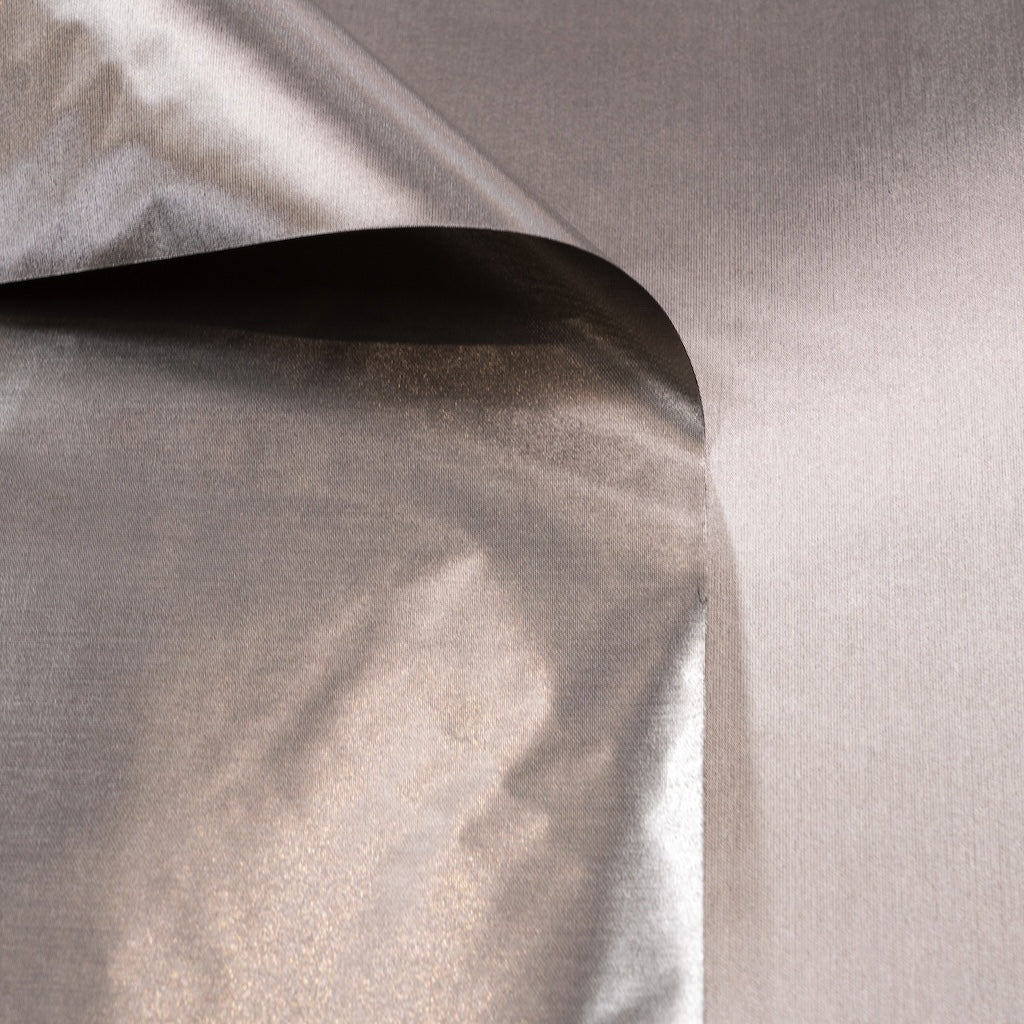
The standard fabric is the most common choice for general DIY builds. Compare specs on each product page, or contact us for a recommendation tailored to your project.
What are the best practices for lining walls or building a shielded room?
Use multiple layers of fabric on all walls and make sure the fabric touches on every side and seam. Seal holes with Faraday Patches and connect adjacent sheets with Faraday Tape so the conductive surface stays continuous.
Treat the room as a single sealed envelope. Doors, vents, windows, and cable pass-throughs are the usual weak points, so plan how each will be shielded before you start.
Can I use a sewing machine?
Yes. We recommend conductive thread, and covering any needle holes and seams afterward with TitanRF Faraday Tape to prevent performance loss at the stitch line.
Can I use fabric adhesive for indoor construction?
When applying fabric to walls, you can use a standard construction adhesive on the first layer only to tack it in place. Do not use adhesive in excess and do not apply it on seams.
The second layer should have no adhesive. Overlap the fabric layers by about one inch and seal the seams with TitanRF Faraday Tape.
Do I need to ground the fabric?
Grounding is not required for basic signal isolation, an enclosed conductive surface blocks RF on its own. Grounding mainly helps in applications focused on electrostatic discharge (ESD) or certain EMI management goals. If your project calls for grounding, contact us and we can point you to the right setup.
If I make a slipcover for my router or modem, will it block WiFi?
Only if the device is entirely enclosed and sealed, and at that point it will no longer function, because the signal cannot get out either. Any power cable or ethernet line protruding from the cover breaks the seal and defeats the shielding. A slipcover is best thought of as an on or off enclosure, not a partial dampener.
Can I shield an outdoor smart meter to reduce EMF?
Customers do this with positive results. Keep in mind that 100 percent blocking is difficult because the meter usually cannot be fully covered (it stays mounted to the wall), so expect a meaningful reduction rather than complete isolation.
Can I use it as a shielded blanket under a laptop?
Yes, a layer of fabric can help reduce EMF reaching your body. Because the fabric contains nickel, avoid direct, prolonged skin contact if you have a nickel allergy, and keep a barrier layer between the fabric and your skin.
Will it block airport scanners or X-ray?
No. The fabric shields radio frequency signals, not X-ray. Blocking X-ray requires dense, thick metal shielding, which is a different material entirely.
Is it washable?
We do not recommend machine washing. If it needs cleaning, dampen a rag and lightly wipe the surface. Avoid soaking, scrubbing, or harsh detergents, which can degrade the conductive coating.
How durable is it, and how long does it last?
TitanRF fabrics are made to resist corrosion and tarnish for long-lasting performance. Like any conductive textile, the shielding depends on the coating staying intact, so handle it gently and avoid heavy abrasion, sharp creasing, and repeated flexing at the same spot. If a heavily used area starts to wear, reinforce it with a Faraday Patch or replace that section.
How do I test my enclosure?
There are a few practical ways to verify a build:
- Use a signal analyzer or RF meter for a measured reading.
- Use a signal-testing app to compare readings inside and outside the enclosure.
- Place a powered device inside, seal it, and try to call or text it, plus check WiFi and Bluetooth connectivity.
If the device still receives signal, you have a leak. Reinforce the seams, seal any holes, and add another layer, then test again.
Is it safe? What about flammability and Prop 65?
Because TitanRF fabrics are made with metals such as copper and nickel, they are conductive and also flammable. Keep them away from outlets, plugs, cables, and any source of electricity to reduce the chance of fire.
California Proposition 65 Warning: this product contains chemicals known to the state of California to cause cancer and birth defects or other reproductive harm. Contact us with any questions or concerns about your project.
What sizes does it come in, and can I get custom dimensions?
The fabric is 44 in wide and sold by the yard, shipped rolled in a tube. Custom lengths and full rolls are available. Contact us for pricing and to discuss the right amount for your build.
Can I order a pre-assembled panel instead of joining sheets myself?
Yes. The TitanRF Faraday Fabric Panel is a large pre-connected sheet made from multiple fabric widths taped together, which saves you from joining sheets by hand for wall coverings and extra-large enclosures. Contact us if you need a custom panel size.
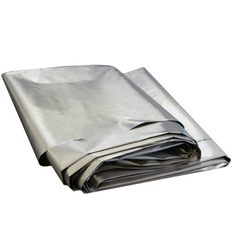
Get your materials
Estimate what you need, then order fabric, tape, and supplies for a complete, sealed enclosure.